Spiritual Sites
Hazrat Nizamuddin Dargah
The 14th-century Sufi shrine of Nizamuddin Auliya, alive every Thursday evening with qawwali singers.
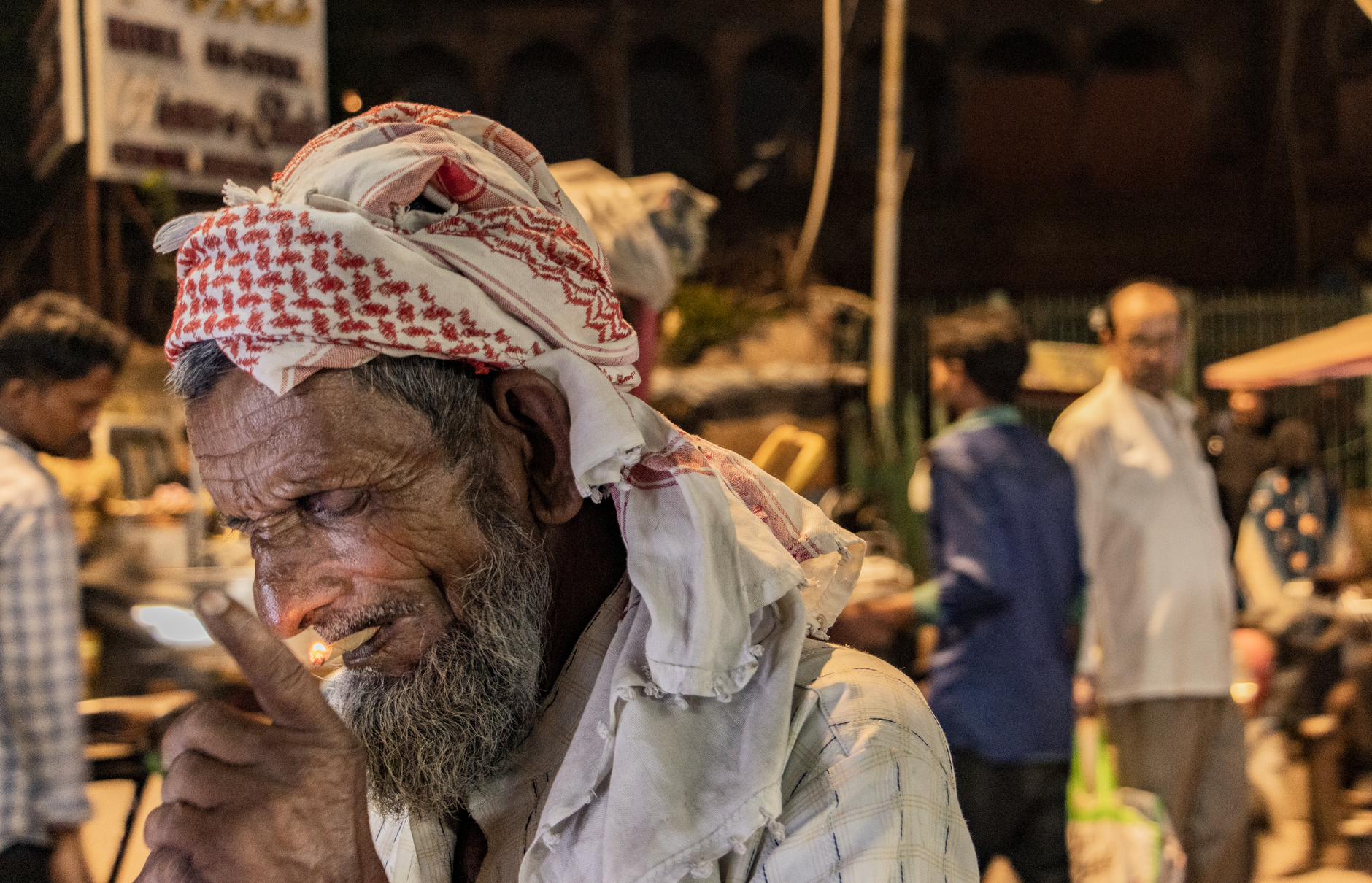
Nizamuddin Auliya (1238-1325) was the fourth great saint of the Chishti Sufi order and the spiritual centre of the Delhi Sultanate for a generation. His shrine in the eponymous Nizamuddin Basti is one of the most important Sufi sites in South Asia and still very much a living one — the tomb is visited by pilgrims of every faith, and the surrounding neighbourhood is a Muslim quarter of narrow lanes, kebab houses and calligraphy shops. From Gurugram it is a 45-60 minute drive north across the border.
You approach through a narrow bazaar lane lined with flower sellers, stalls selling chadars (ceremonial cloths) to offer at the shrine, kebab and biryani houses, and one bookseller who has been in place for forty years. The shrine compound holds Nizamuddin's white marble tomb, the tombs of his disciple Amir Khusro (father of qawwali) and later Mughal princess Jahanara Begum, and a small mosque. Thursday-evening qawwali sessions begin around 6:30pm and run until 9pm, with singers who have inherited the tradition through unbroken lineage from the fourteenth century.
Come on a Thursday evening for the qawwali, arriving by 6pm to find a spot in the courtyard. Any other evening the shrine is calm and prayerful. Cover your head (scarves available at the entrance for ₹20), leave shoes at the marked stand (₹10). Photography inside the shrine is discouraged; the courtyard is fine. Combine with a dinner of kebabs at Karim's or Ghalib Kabab Corner in the lanes outside. Combine easily with Humayun's Tomb, a ten-minute walk south.
Beyond the main courtyard there is more to the compound than most visitors realise, and it is worth twenty extra minutes. Follow the passage on the northern side to the Nizamuddin baoli, a stepwell sunk in the 1320s during the saint's own lifetime and painstakingly restored by the Aga Khan Trust for Culture, whose Nizamuddin Urban Renewal Initiative also cleaned up the lanes you walked in through. The Jamaat Khana Masjid on the western edge of the courtyard is the oldest structure here, its red sandstone arches dating to the early fourteenth century. Note that women may enter the courtyard freely and pray at the marble screen, but are not permitted inside the inner chamber of Nizamuddin's tomb itself — a rule enforced politely but firmly. Walk the perimeter once before settling anywhere; the courtyard is smaller than photographs suggest and fills fast.
Driving is the easiest way in from Gurugram: NH-48 to Dhaula Kuan, then the Ring Road east past AIIMS, Lajpat Nagar and Ashram, roughly 28-30 km from Cyber City and 45-60 minutes outside peak hours, closer to 75 on a Thursday evening. A cab runs ₹600-900 one way. The bazaar lane is closed to cars, so have your driver drop you at the Mathura Road end of Nizamuddin West and walk the last 300 metres. By metro, take the Yellow Line from Millennium City Centre (formerly HUDA City Centre) to Central Secretariat, change to the Violet Line and ride two stops to JLN Stadium — about 70 minutes and ₹60, the network's maximum fare. From there it is a 20-minute walk east; Jangpura, one stop further, is fractionally closer. Autos from either station cost ₹40-60. Hazrat Nizamuddin railway station is 1.5 km south-east.
Nothing here is ticketed and there is no counter to queue at, which makes the running costs entirely a matter of what you choose to spend. Budget ₹10 for the shoe stand, ₹20 if you need a head covering, ₹20-50 for a basket of rose petals and ₹100-500 for a chadar if you want to make the offering — none of it obligatory, and the shrine functions perfectly well for a visitor who gives nothing. At the qawwali, patrons pass notes to the singers; ₹100-200 is a normal gesture and nobody will approach you for it. Dinner afterwards in the lanes costs ₹150-300 for a seekh kebab plate, ₹250-350 for biryani and ₹40-60 for firni in an earthen bowl. Refuse anyone with a receipt book asking for a fixed donation — the dargah does not collect that way.
Hour by hour, the shrine is quietest between 7am and 10am, when it is mostly local worshippers and the marble is cool underfoot; that is the window if you want to sit and think rather than watch. It gets busy around the asr and maghrib prayers, and Friday afternoon congregational prayer packs the courtyard solid. Month by month, October to March is the season: clear evenings, tolerable air, comfortable barefoot marble. December and January bring fog and evening temperatures near 5°C, so bring layers for a two-hour sit. April to June is punishing at 43-45°C and the stone burns at midday; July to September leaves the lanes puddled and slippery. The urs of Nizamuddin Auliya and of Amir Khusro shift each year with the Islamic calendar, and Basant Panchami in late January or February fills the shrine with yellow. Aim for a Thursday in November.
This suits anyone curious about living devotional music, and teenagers who arrive bored usually stop looking at their phones once the qawwals start. It does not suit wheelchair users: the approach lane is narrow, uneven, crowded and shoe-free, with steps into the compound and no accessible route worth the name. Small children are fine on a quiet morning but poorly served by the Thursday crush, where you sit on the floor shoulder to shoulder for two hours. A wet afternoon is the wrong afternoon — the lanes drain badly and you will be barefoot in it. If you are germ-averse about bare feet on damp marble, skip it. Conversely, a one-hour gap before a train from Hazrat Nizamuddin station is an excellent use of this place: ten minutes by auto for ₹50-70, twenty minutes inside, kebabs on the walk back.
For a half-day, string the neighbourhood together on foot. Chausath Khamba, a sixty-four-pillared white marble Mughal tomb from the 1620s, is two minutes from the dargah lane and free; Mirza Ghalib's grave and the Ghalib Academy sit immediately beside it. The dargah of Hazrat Inayat Khan, who carried Chishti music to the West, is another three minutes on. Humayun's Tomb is a ten to twelve minute walk south with its entrance on Mathura Road, ₹40 for Indian nationals and ₹600 for foreign visitors, under-15s free, open sunrise to sunset. Sunder Nursery, the restored Mughal garden complex across the road, charges around ₹100 for adults. The clean sequence on a Thursday: Sunder Nursery at 3pm, Humayun's Tomb until the gates close at dusk, then walk north into the basti in time for the 6:30pm qawwali.
Two honest warnings. First, the hustle at the lane mouth is real — men with receipt books soliciting fixed donations, self-appointed guides attaching themselves to foreign-looking visitors, sellers insisting a ₹501 chadar is expected. None of it is official; keep walking, keep your phone in a front pocket, and use only the marked shoe stand. Second, the qawwali is not a concert. There is no stage, no seating, no ticket and no sightline guarantee; the best positions near the singers go to regulars and long-standing patrons, the amplification is thin, and the repertoire is devotional Urdu, Persian and Braj rather than the polished studio versions people arrive humming. Anyone coming primarily for architecture or photography will be underwhelmed — the tomb is usually draped in cloth, there is no interpretive signage, and the Mughal grandeur is ten minutes south at Humayun's Tomb.
Hours & entry
Free entry all day
Mon-Sun 5:00-22:30
What to see
{'what': "Nizamuddin's tomb and offering", 'where': 'Central shrine inside the compound'}
{'what': "Amir Khusro's tomb next door", 'where': 'South-east corner of the main shrine courtyard'}
{'what': 'Thursday-evening qawwali session', 'where': 'Central courtyard, 6:30pm-9pm'}
Tips from the ground
Thursday evenings are the point of a visit — arrive by 6pm.
Kebabs at Ghalib Kabab Corner in the lane are the best in Delhi.
Combine with Humayun's Tomb, a ten-minute walk south.
Good to know
Questions, answered
Is there an entry fee?
No, entry to the shrine is free. Offerings and flowers are optional. There is no ticket counter and no queue to pay at. Practical costs are small: ₹10 for the shoe stand, ₹20 for a head covering if you need one, ₹20-50 for rose petals, ₹100-500 for a chadar. At the Thursday qawwali, ₹100-200 passed to the singers is a normal gesture but never demanded. Ignore anyone with a receipt book quoting a fixed donation at the lane entrance — the dargah does not collect money that way.
When is the qawwali?
Every Thursday from about 6:30pm to 9pm; smaller sessions on other days. Arrive by 6pm if you want to see the singers rather than the backs of heads — seating is on the courtyard floor, there is no stage and positions near the front go to regular patrons. The urs of Nizamuddin Auliya and of Amir Khusro, both moving with the Islamic calendar, bring far larger and longer sessions. Basant Panchami in late January or February is another big night, with the courtyard dressed in yellow.
How long for a visit?
Two hours including a walk through the surrounding lanes. Roughly: 30-40 minutes inside the compound covering the tomb, Amir Khusro's grave, the Jamaat Khana Masjid and the restored baoli; 20 minutes at Chausath Khamba and Ghalib's grave two minutes away; 30 minutes for kebabs at Ghalib Kabab Corner or Karim's. On a Thursday allow three hours minimum, since you will be sitting from 6pm to 9pm. A rushed twenty-minute stop before a train from Hazrat Nizamuddin station also works.
Any closed days?
Never closed — open every day of the year. Gates run 5:00 to 22:30 daily, through every season and every festival. The quietest window is 7am to 10am, when it is mostly local worshippers; it fills around the asr and maghrib prayers, and Friday congregational prayer packs the courtyard. Thursday evening is the busiest scheduled slot, and the urs anniversaries are busier still. October to March is the comfortable season; May and June are brutal at 43-45°C on bare-foot marble.
Do I need to book?
No booking — walk in through the lane entrance. Nothing here is reservable, including the Thursday qawwali, which is first-come and free. You do not need a guide either; the compound is small enough to read in one loop, and the men offering tours at the lane mouth are not affiliated with the shrine. If you are pairing the visit with Humayun's Tomb, that ticket (₹40 for Indian nationals, ₹600 for foreign visitors) can be bought online in advance to skip the counter queue.
Nearest metro?
JLN Stadium on the Violet Line, then a 20-minute walk east into Nizamuddin Basti. From Gurugram take the Yellow Line from Millennium City Centre to Central Secretariat and change — about 70 minutes total for ₹60, the network maximum. Jangpura, one stop further along the Violet Line, is marginally closer if you prefer. An auto from either station is ₹40-60. Hazrat Nizamuddin railway station lies 1.5 km south-east, ten minutes by auto, which makes the shrine an easy filler before a train.
Doing good is the business: every booking through Stay Gurugram funds one verified tonne of carbon removal — same room, same price, no markup.
Start your search